
2026-08-21 ·
Preventing Leaks Around Skylights In Ocean Beach
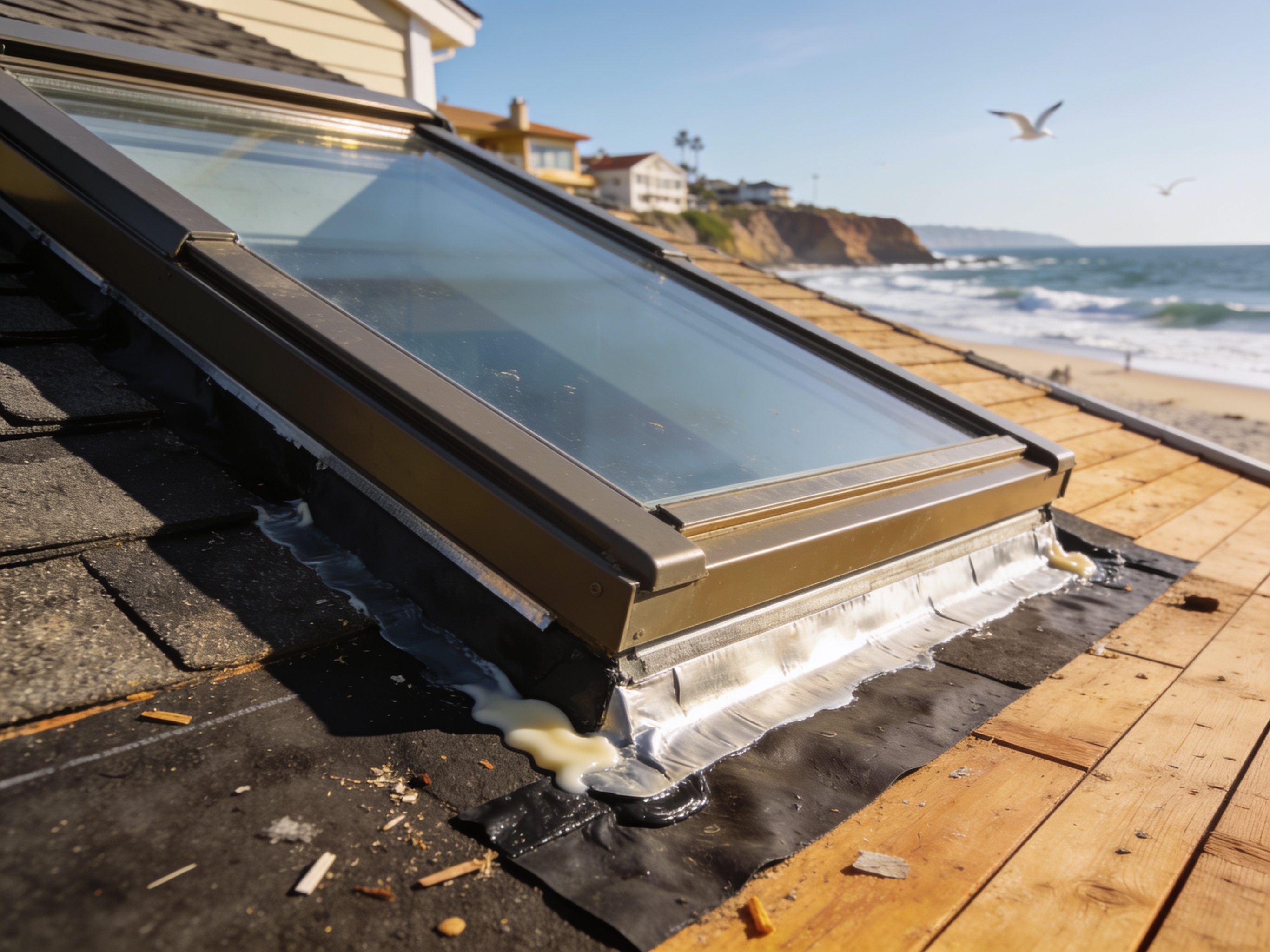
In Ocean Beach, preventing leaks around skylights begins with maintaining intact flashing and regular seal inspections, since the neighborhood's proximity to the coast exposes roofs to constant salt spray and occasional winter downpours that penetrate small gaps within months.
Understanding Skylight Leaks in Ocean Beach's Coastal Environment
Ocean Beach homes, many built in the mid-20th century with flat or low-slope sections, commonly feature skylights over kitchens or living areas. The mild Mediterranean climate keeps temperatures steady, yet salt-laden air from the Pacific accelerates corrosion on metal flashing and rubber gaskets. Winter storms bring 2–4 inches of rain in short bursts, driving water under compromised seals faster than inland spots like Mission Valley. Nearby Pacific Beach experiences similar exposure, while La Jolla's cove winds add extra grit that abrades surfaces. Homeowners notice dark water stains on ceilings first, often after a single heavy rain event. Checking for bubbling paint or musty attic odors right after storms catches issues before they reach interior drywall.
Regular Inspection Practices
Schedule visual checks twice a year, once before winter rains and again in late spring. Stand on the ground with binoculars to scan the skylight perimeter for lifted flashing edges or cracked caulk lines. Inside the attic, look for daylight pinpoints or wet insulation around the frame. In Ocean Beach's older stock, original skylights often sit on composition decks that have settled unevenly over decades, creating low spots where water pools. Document any gaps wider than 1/8 inch with photos for tracking progression. These steps reveal problems early without climbing onto the roof surface.
Proper Flashing and Sealing Techniques
Replace deteriorated step flashing with new 26-gauge galvanized pieces that extend at least 4 inches under shingles and up the skylight curb. Apply a continuous bead of polyurethane sealant rated for marine environments along all joints, avoiding silicone that fails under UV exposure common here. Ensure the skylight curb rises a minimum of 6 inches above the roof plane to clear typical leaf and sand accumulation. In coastal zones like Ocean Beach, avoid standard butyl tape alone; pair it with a compatible primer for better adhesion against salt corrosion. These details keep water moving past the opening rather than into the structure.
Maintenance and Cleaning Routines
Clear debris from skylight valleys and gutters every 3–4 months, especially after Santa Ana winds push sand and palm fronds onto roofs. Use a soft-bristle brush and low-pressure rinse to remove salt residue without damaging seals. Trim nearby tree branches that drop leaves or shade the area, reducing moisture retention. Homeowners in adjacent areas like North Park report fewer issues when they also clean ridge vents nearby, preventing backup moisture from traveling to skylights. Consistent routines extend the service life of existing flashing by 5–8 years before full replacement becomes necessary.
When Professional Help is Needed
Call for skylight repair when flashing shows visible rust streaks or multiple seal failures appear within one season. Flashing repair specialists can re-bed the entire curb assembly while matching the existing roof slope. For active interior leaks, roof leak repair teams use moisture meters to trace paths through layers without unnecessary demolition. See related guidance in How Salt Air Corrodes Roofs In La Jolla for comparable coastal strategies. Residents near Ocean Beach benefit from these targeted interventions that address salt exposure directly.