
2026-08-21 ·
Preventing Rodent-Related Roof Leaks In Tierrasanta
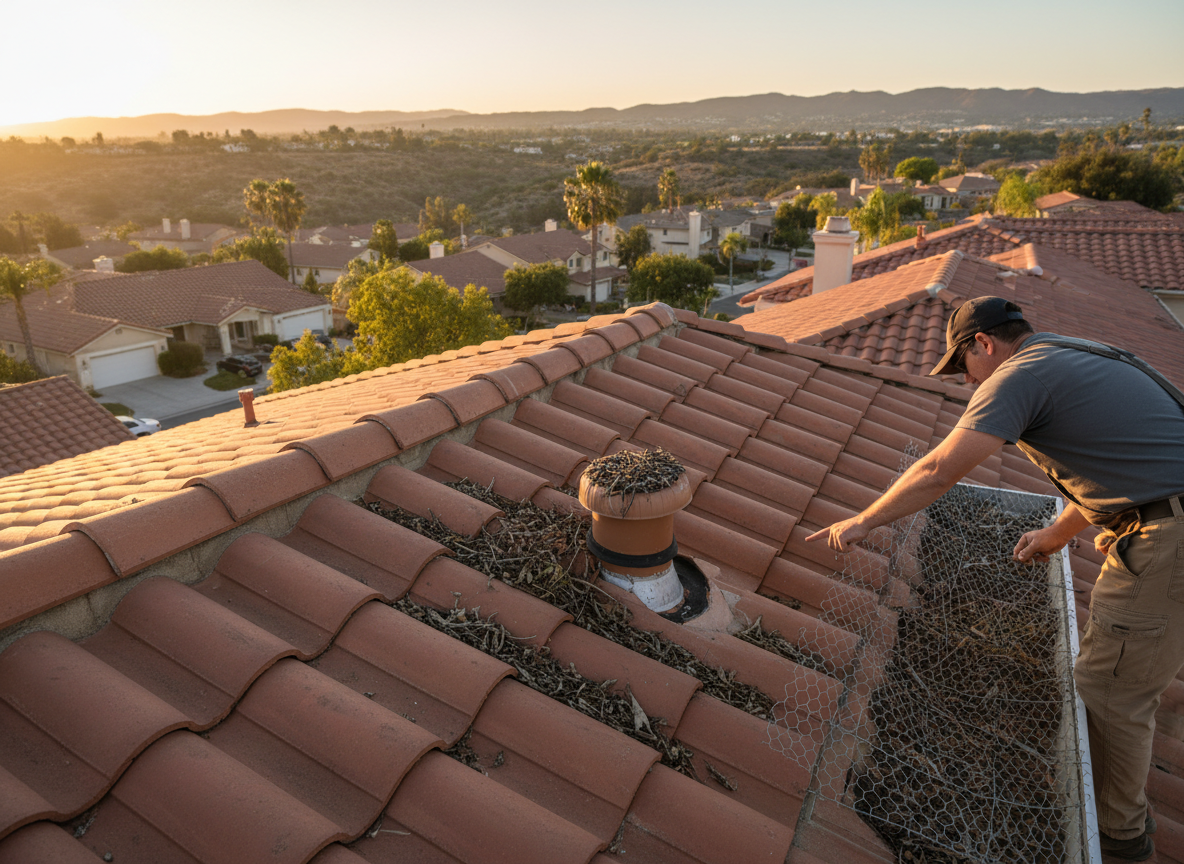
Preventing rodent-related roof leaks in Tierrasanta begins with sealing gaps at vents, eaves, and pipe penetrations while scheduling inspections twice a year to catch chew damage early in the mild coastal Mediterranean climate. Homes here sit near canyons that support year-round rodent movement, and many properties feature tile or composition roofs installed decades ago that provide easy access points once flashing or underlayment degrades. Regular checks help limit water intrusion that can affect attics and ceilings in these single-family neighborhoods.
Identifying Rodent Entry Points on Tierrasanta Roofs
Rodents target specific roof features in Tierrasanta because the area's terrain includes open spaces and older housing stock from the 1970s onward. Vents, ridge lines, and soffits often show chew marks first, especially where sealant has dried or cracked from temperature swings. Tile roofs common throughout the neighborhood allow rodents to slip under loose pieces, while composition shingles can hide gnaw holes until leaks appear. Homeowners should examine these areas from the ground with binoculars during daylight and note any droppings or nesting material near the roofline. Proximity to Mission Valley increases squirrel and rat traffic compared with denser urban zones like Downtown San Diego.
Seasonal Factors Affecting Rodent Activity
San Diego County's mild year-round temperatures keep rodents active in Tierrasanta without the winter slowdown seen elsewhere, so prevention work cannot wait for cooler months. Spring and fall bring increased foraging as populations grow, raising the chance that animals will enlarge small gaps into leak paths. Rain events, though infrequent, quickly turn chewed underlayment into interior water damage around La Jolla Cove-style coastal influences that extend inland. Checking after any wind event helps because loose debris can mask new entry points created during storms. This pattern differs from nearby cities like Chula Vista where denser development sometimes limits rodent corridors.
Practical Sealing and Maintenance Steps
Start by clearing debris from gutters and valleys so water flows freely and does not encourage nesting near the roof edge. Install metal mesh over attic vents and replace damaged flashing with corrosion-resistant materials rated for coastal exposure. Trim tree branches that overhang the roof by at least 6 feet to reduce rodent highways from adjacent canyons. Roof inspection performed by a local crew can document current conditions and recommend targeted fixes before leaks develop. Homeowners in North Park and Pacific Beach use the same approach because the county shares similar housing age and vegetation patterns.
When Professional Assessment Becomes Necessary
If chew marks appear near skylights or multiple soft spots show on interior ceilings, schedule leak detection to trace hidden paths without invasive demolition. Roof repair teams familiar with Tierrasanta can replace affected sections of underlayment and reinforce entry points while preserving the existing tile or shingle system. Delaying action often turns a $400–$800 localized fix into broader replacement work once water reaches sheathing. Readers can also review the DIY inspection checklist for additional self-check methods that apply across San Diego County neighborhoods.